
The best appliance safety tips come down to five habits:
- Plug major appliances straight into a wall outlet.
- Stay in the kitchen while cooking food on the stovetop.
- Clean the dryer lint filter every load.
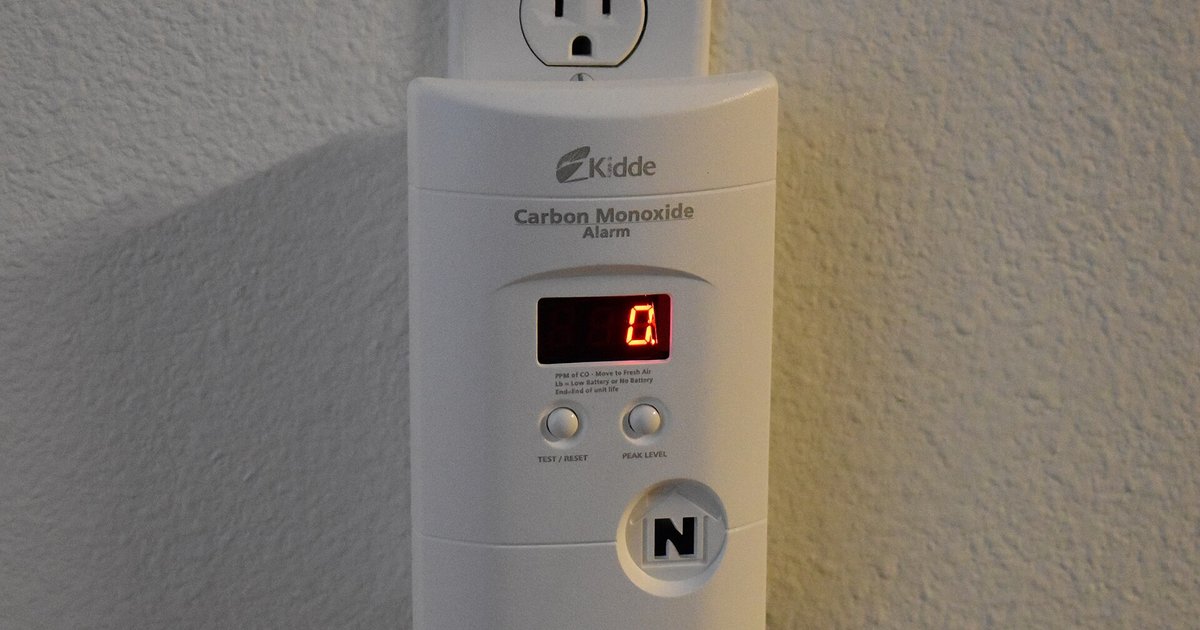
- Keep a working carbon monoxide alarm on every level.
- Unplug an appliance before you check it.
Each habit is explained below. When a check turns up something you shouldn't fix yourself, our Calgary appliance repair team can take a look.
Key Takeaways
- An extension cord is never a stand-in for permanent wiring.
- Failure to clean is the leading cause of home dryer and washer fires, per NFPA.
- A microwave can hold a dangerous charge after it's switched off. Leave the cabinet closed.
Electrical appliance safety tips: cords, outlets and plugs
Ontario's Electrical Safety Authority (ESA) links misuse of extension cords and power bars to "increasing reports of electrical fires and fatalities in Ontario." Its factsheet advises:
- Put only light loads on power bars. Manufacturers generally don't recommend cords for appliances that make heat, like a toaster (9 A).
- Never use extension cords as permanent wiring, or run them under carpets and furniture.
- Replace any cord with kinks, exposed wires or other damage.
Large appliances need the right outlet too. When an electric dryer tumbles but never heats, our technicians sometimes measure the receptacle and find it isn't supplying a full 240 volts. That's a job for an electrician.
Kitchen fire safety: 10 rules
Almost 40 percent of the 1,800-plus fires the Calgary Fire Department attended in 2012 started in the kitchen or were caused by cooking. Its advice makes up the first five of these 10 kitchen rules:
- Stay in the kitchen while cooking food on the stovetop.
- Turn the stove off if you leave.
- Keep children and pets a metre away.
- Keep things that can burn clear of the stovetop.
- Keep a lid nearby for grease fires.
- Never heat the home with the oven.
- Keep heat-producing appliances off extension cords.
- Replace damaged cords.
- Unplug small appliances after use.
- Follow each appliance manual.
For what to do if a fire starts inside the oven, see our oven fire safety guide.
Dryer fires, gas leaks and carbon monoxide
The NFPA tip sheet recommends cleaning the lint filter before or after each use, clearing the vent pipe once a year, never leaving a dryer running when you go out or to bed, and having gas dryers checked for leaks by a professional. The vent pipe is the duct that carries hot, lint-laden air from the dryer to the outside, and lint that collects there restricts airflow. On Calgary service calls, our technicians often find that a dryer shutting off mid-cycle is its safety shutoff reacting to a blocked vent. If your duct is long or hard to reach, book professional dryer vent cleaning. See our dryer maintenance tips for the rest of the routine.
Smell gas? The Calgary Fire Department says to leave immediately and call 911.
Carbon monoxide (CO) is a colourless, odourless gas that fuel-burning appliances such as gas ranges, dryers and furnaces can give off. Per the City of Calgary, have fuel-burning appliances inspected every year, keep vents clear of snow, never heat the home with the stove or oven, and replace CO alarms when they expire, usually after 5 to 10 years. If the alarm sounds, get out and call 911.
Unplug before any check, and know when to stop
Unplug the appliance or switch off its circuit breaker before you clean or inspect anything, and stop at the outer panel. A microwave shows the risk: the Sharp R-21LCF service manual warns that its high-voltage capacitor, the part that stores charge for the microwave's power circuit, "remains charged about 60 seconds" after switch-off, and that repairs must be done "only by trained service personnel." So never open a microwave cabinet, even unplugged. Read when you need professional microwave repair.
Call a pro for burning smells, repeated tripped breakers, sparks or water near wiring. A burning smell can come from wiring rather than the part itself: on ovens whose broil element quit, our technicians have found a burnt connection at the element terminal and rewired it with new connectors. Our appliance repair services include dryer repair.
Check your appliances for recalls
Search the brand and model on the Government of Canada's Recalls and Safety Alerts site, which carries Health Canada's consumer product recalls, and sign up for its email alerts.
Quick answers on home safety rules
What is the safest way to use electrical appliances? Plug them directly into a wall outlet, keep cords undamaged and dry, and unplug them before cleaning.
What are 5 safety tips, or 5 golden safety rules? Use wall outlets for big appliances, stay with your cooking, clean the lint filter every load, keep CO alarms working, and unplug before any check.
What are 10 safety rules in the kitchen? See the 10 rules under Kitchen fire safety above, starting with staying in the kitchen while cooking.
What are the 7 basic safety rules, or 10 safety measures? There is no single official list. The tips above help protect your family.
Photo: Carbon monoxide detector 1 2018-03-01 by FASTILY, CC BY-SA 4.0. Cropped.