
Here's how to clean dryer lint trap screens the way manufacturers describe it: after every load, pull the screen out, roll the lint off with your fingers and push the screen firmly back in.
The screen is only one stop on the lint's path, though. Some lint gets past it into the slot the screen sits in, the duct behind the dryer and the vent outside. If the trap and vent are clean and clothes still come out damp, book a dryer repair so a technician can check the heating and sensors.
Key Takeaways
- The U.S. Consumer Product Safety Commission says to clean the lint screen "before or after drying each load of clothes."
- Whirlpool says not to rinse the screen to get lint off, because wet lint is hard to remove. Scrub it with a nylon brush about every six months, or sooner if detergent or softener residue clogs it.
- The National Fire Protection Association (NFPA) says to clean lint out of the vent pipe once a year, or sooner if clothes start taking longer to dry.
How to clean dryer lint trap screens in 3 steps
Do this after every load of laundry, or before you start the next one. Whirlpool's lint screen instructions and GE Appliances' filter guide describe the same routine:
- Remove the lint screen. GE says to grab the filter at the top centre and pull up.
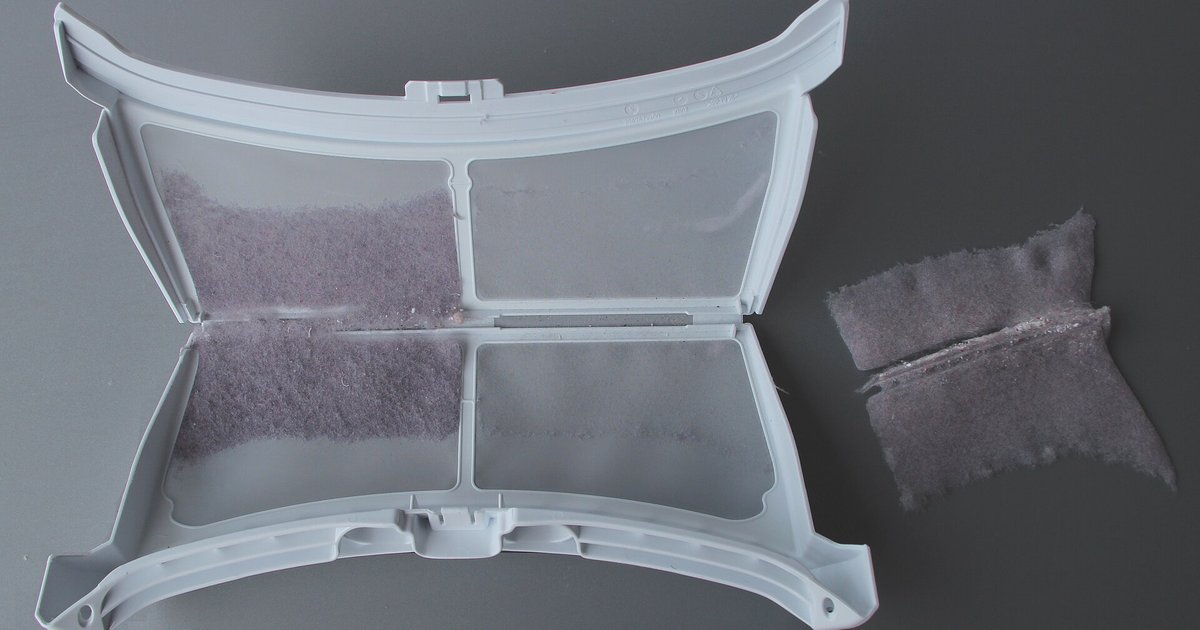
- Roll the lint off. Use your fingers to roll the layer of fuzz off the mesh. GE suggests moistened fingertips, wiping in a downward motion.
- Put it back all the way. Push the screen firmly into place. The NFPA tip sheet says never to run a dryer without a lint filter. If the mesh is torn, replace the screen before the next load.
Damp fingertips are fine, but don't hold the screen under the tap for this. Whirlpool's guide says not to rinse or wash the screen to remove lint, because wet lint is hard to get off.
Some GE dryers show a "clean filter" message. GE says it's a reminder, not a sensor reading, so it can appear even when the screen is clean, and it can't be turned off.
Where the dryer lint trap is, and why lint builds up
Where is the lint trap located? The lint trap is the slot that holds the lint screen, a removable fine-mesh filter that catches fibres before the air leaves the drum. On many dryers it sits in the door opening, just inside the drum. On other models it slides into the top panel. Check your owner's manual if the screen isn't where you expect.
Why does lint build up in the dryer? Lint is loose fibre that rubs off clothes, towels and bedding as each laundry load tumbles. Warm, moving air carries it toward the exhaust, and the screen catches most of it.
The rest settles in the trap housing, inside the cabinet and along the duct. According to the CPSC's dryer safety alert, lint "can block the flow of air, cause excessive heat build-up, and result in a fire in some dryers."
Residue is the other thing to watch. Whirlpool notes that laundry detergent and fabric softener residue can build up on the screen itself. Dryer sheets are a form of fabric softener, so they count too.
How often to clean the lint screen and the lint trap housing
Clear the lint screen every load. The slot it slides into needs attention far less often, but it's easy to forget.
To clean the housing, unplug the dryer first, as GE instructs. Then use a vacuum hose attachment, an appliance brush or a long, flexible lint brush to pull out fuzz that has collected below the screen. Pull it up and out rather than pushing it down. Whirlpool says to do this "as needed." A flashlight shows how much has built up.
While the dryer is unplugged, wipe the drum "with a damp cloth and a mild, non-abrasive cleaner," as Samsung puts it, and leave the door open so it dries. Samsung warns against abrasive products, metal tools and excessive water. The NFPA also says to remove lint that collects around the drum.
Washing the filter is an occasional job: Whirlpool recommends a nylon brush every six months, or more often if residue clogs it. The deep clean below covers the full wash and a quick residue check. For where these jobs fit alongside the vent and drum, see our dryer care schedule.
How to deep clean the dryer lint trap screen
Rolling off the fuzz each load won't shift the waxy film that fabric softener and dryer sheets leave on the mesh. A deep clean every six months does. These steps follow Maytag's lint screen washing guide. Leave time for the screen to dry before the next load.
Why a lint screen clogs even when it looks clean
GE Appliances says fabric softener "can coat the small openings and allows less lint to pass through." Maytag says this buildup "can cause longer drying times" or make the dryer stop before the load is dry.
Step 1: Remove the lint and do the water test
Pull out the screen and roll the lint off with dry fingers. Maytag warns that wet lint "is very difficult to remove."
Then hold the screen flat under the tap. If water runs straight through, the mesh is open. If it beads up or pools on top, a film is blocking the holes. The Maytag, Whirlpool, GE and Samsung guides linked here don't mention this check, but it's a simple way to spot residue you can't see.
Step 2: Scrub with hot water and liquid detergent
- Wet both sides of the screen with hot water.
- Dip a nylon brush in hot water and a little liquid laundry detergent.
- Scrub both sides, working into the corners and along the frame.
- Rinse, then repeat the water test. If it still pools, scrub again.
Samsung Canada says to scrub gently. A torn screen lets lint and debris straight into the dryer vent.
Step 3: Dry the screen thoroughly
Towel it off, then let it air dry. Samsung says to "let the filter dry completely before reinserting it." The NFPA says never to run a dryer without a lint filter, so wait rather than drying a load without it.
Don't forget the dryer vent
The exhaust duct is the 4-inch pipe that carries hot, damp air from the back of the dryer to the vent hood outside, and the lint that gets past the trap ends up there. The NFPA's dryer and washer safety tips say to clean lint out of the vent pipe once a year, or sooner if clothes are taking longer to dry, and to make sure the outdoor flap isn't covered by snow. The CPSC also lists longer drying times as a sign the exhaust duct may be blocked, and recommends rigid or semi-rigid metal duct over plastic or foil.
On Calgary service calls, a dryer that takes two cycles most often has a restricted vent run and nothing wrong inside the machine. Our technicians often find long, winding runs in newer homes, and clearing or shortening them brings drying times back to normal. If your duct runs a long way through walls or the roof, book dryer vent cleaning in Calgary. It's priced at $150 for each 10 ft of duct and includes the outside exit where it's accessible.
Dryer lint trap and vent questions
Can I wash the dryer filter? Yes, but only now and then. GE says the lint filter "should be washed periodically" in warm, soapy water if you use fabric softener or anti-static products such as dryer sheets. Remove the lint dry first, and let the screen dry completely before it goes back in. For every-load cleaning, your fingers are enough.
How can you tell if a dryer lint trap is clogged? Whirlpool says the screen "is probably clogged if lint falls off while the screen is in the dryer." Clothes that take longer than usual or come out damp are another sign, and so is water pooling in the water test. If the mesh is torn or still blocks water after a second wash, replace the screen.
Does vinegar dissolve lint? No. Lint is loose fibre from your clothes, and vinegar won't break it down. For softener film, Maytag and Whirlpool call for hot water and liquid detergent, and GE for soapy water.
What is the best dryer lint trap cleaner? You don't need a special product. Your fingers handle the routine clean. A soft nylon brush with warm water and a little liquid detergent clears residue. For the filter opening, GE suggests an appliance brush, an extendable lint brush or a vacuum hose attachment.
What do professionals use to clean dryer vents? Vent-cleaning services typically use rotating brushes on long flexible rods, which scrub the duct as they feed through it, plus a strong vacuum to collect the loosened lint. The NFPA says you can clean the vent pipe yourself or have a dryer lint removal service do it. The CPSC also suggests having a qualified service person clean the inside of the dryer cabinet from time to time, since lint builds up there too.
Why are my clothes still damp when the screen is clean? Check the vent first, then the cycle. On newer Electrolux dryers, our technicians often find the Eco setting is on: it saves energy by leaving clothes slightly damp, and a timed or dry-boost cycle finishes the load. If air flows freely outside and loads still take two cycles, the cause may be a heating or sensor fault. Our Midea dryer not drying guide covers the common causes, and dryer repair in Calgary can replace a failed part.
Photo: Flusensieb Trockner 03 (fcm) by Frank C. Müller, CC BY-SA 4.0. Cropped.