
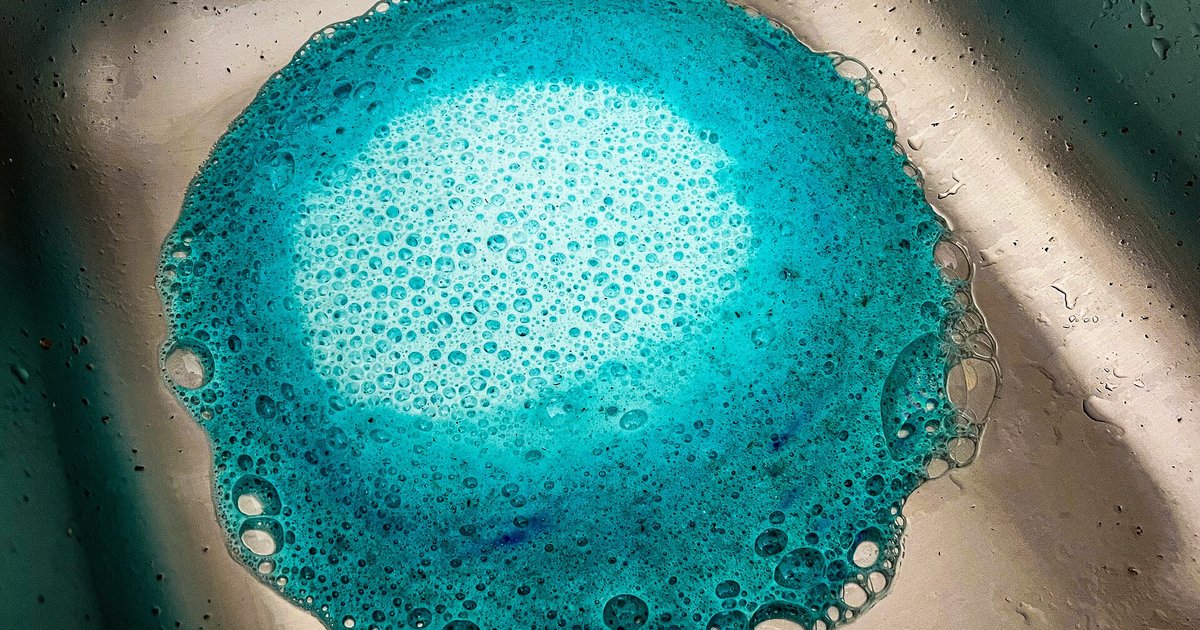
What not to put in a garbage disposal, according to InSinkErator's own guidance: fats, oils and grease, and anything that isn't food. That means glass, metal, plastic, shellfish shells, paper, paint and household chemicals. Bones, fruit pits and stringy foods like celery depend on your model. InSinkErator's entry-level Badger series isn't built for them, and its Advanced series is.
Most jams and clogs start with one of those items. If something has already gone down and the unit hums, leaks or won't start, you can book a disposal repair in Calgary. The lists below come from InSinkErator's own guidance, Whirlpool's disposer instructions and the City of Calgary.
Key Takeaways
- InSinkErator: "NEVER put fats, oils, or grease into the disposal." The City of Calgary says grease still clings to pipes after a garburator chops up food.
- Keep out non-food items: glass, china, plastic, metal, clam or oyster shells, caustic drain cleaners, paints, solvents and hot liquids.
- Eggshells, coffee grounds, pasta and rice are on InSinkErator's list for every series, fed in gradually. Bones, pits, celery and corn cobs depend on the model.
- Run cold water, turn the disposal on before adding food, and don't pre-load it.
What not to put in a garbage disposal
Fats, oils and grease
InSinkErator's what can I grind page says: "NEVER put fats, oils, or grease into the disposal." Its support FAQ goes further: "Never pour grease or fat into your food waste disposer or drain." The Badger series manual says grease builds up in pipes and blocks drains, and suggests pouring it into a jar or can for the garbage.
Grinding doesn't solve the problem. A garburator is the usual Canadian name for a garbage disposal, and the City's warning applies to every brand. The City of Calgary says fats, oils and grease still cling to pipe walls after a garburator chops up food, which can lead to clogged pipes, basement flooding and sewer back-ups. The City spends about $3 million a year clearing blockages in its own sewer system. Its advice: wipe small amounts out with a paper towel, let larger amounts cool until solid, and scrape them into your green cart. That includes butter, cooking oil, bacon fat and greasy sauces.
Non-food items and chemicals
The Badger manual lists what should never go in the unit:
- clam or oyster shells
- glass, china or plastic, including plastic wrap
- metal such as bottle caps or utensils
- hot grease or other hot liquids
- caustic drain cleaners, paints, solvents and household chemicals
InSinkErator's FAQ sums it up as "fats, oils, harsh cleaning products and other non-food products." Fruit stickers, rubber bands, paper towels and cigarette butts belong in the garbage too. Bleach is out too: InSinkErator says "never put bleach in the food waste disposer."
Bones, fruit pits and stringy foods: check your model
InSinkErator disposals don't have blades. The company describes them as a "bladeless grind system": a spinning plate throws food outward, and the grind ring is the rough metal band around the chamber wall that shreds it. How tough a scrap it can handle depends on the motor and grind parts, so InSinkErator splits its grind list by series:
| Food | Badger series | Power series | Advanced series |
|---|---|---|---|
| Eggshells, coffee grounds, potato peels, pasta, rice | Yes | Yes | Yes |
| Peach and avocado pits | No | Yes | Yes |
| Cooked boneless meat, raw meat, salmon | No | Yes | Yes |
| Chicken bones, cooked beef bones | No | No | Yes |
| Celery, corn cobs, banana peels, pineapple cores | No | No | Yes |
If you don't know your model, look for the label on the side of the unit under the sink, or treat it as an entry-level disposal. Whirlpool's disposer instructions put large bones, fibrous foods like celery, and big loads of potato peels or rice on its own list of things that can damage the unit. Stringy foods wrap around the grind parts, and starchy foods swell into a paste that can clog the drain.
Nuts aren't on any InSinkErator list. Ground nuts turn into a thick paste, so scrape them into the green cart instead.
Can you put eggshells and coffee grounds down the garbage disposal?
Yes, in moderation. InSinkErator lists egg shells and coffee grounds for every series, including the Badger, "with proper disposal use." The Badger manual adds a limit: don't grind large amounts of egg shells or fibrous food like corn husks and artichokes at once, because they can block the drain. Feed them in a little at a time with plenty of cold water.
The same goes for the other foods people ask about. A small amount scraped off a plate is fine. A whole pot is not, because InSinkErator says "Do NOT pre-load the disposal."
- Mac and cheese. Pasta and cheddar are both on the Badger list. Scrape the leftovers off the plate, then grind with cold water running. Put a full pot in the green cart.
- Mashed potatoes. Potato peels and rice are on the list; mashed potatoes aren't mentioned. Whirlpool warns against big loads of starchy food, so only rinse small amounts down.
- Scrambled eggs. InSinkErator's list doesn't mention cooked eggs. A spoonful of soft egg is ordinary food waste. The butter or oil in the pan is the part to keep out.
What is safe to put in your garbage disposal?
Everyday soft food scraps. InSinkErator's Badger list includes apple cores, berries, bread, cereal and milk, cheese, citrus rinds, cucumber, lettuce and cabbage, pasta, rice, potato peels, and pre-cut broccoli and cauliflower. It recommends mixing scraps of different textures, because mixed loads grind better.
Ice cubes are safe too. The grind chamber is the bowl under the rubber splash guard where all of this happens. The Badger manual says ice helps scour the grind chamber, and InSinkErator's FAQ suggests ice cubes mixed with lemon or lime wedges to freshen the unit. To deodorize a garburator properly, see our deep-clean guide.
How to use a garbage disposal so food goes down cleanly
InSinkErator's how-to page gives the same routine every time:
- Run a steady stream of cold water.
- Turn the disposal on before you add any food.
- Feed food waste in gradually, not all at once.
- Switch off once the sound changes and you hear only the motor and water.
- Let cold water run for a few seconds to flush the drain pipe.
InSinkErator's clog guide says to avoid hot water while grinding, though draining hot water between grinding sessions is fine. Leave the stopper in when the disposal isn't in use, so spoons and bottle caps can't fall in. If something does, switch off the power and use tongs, never your hand.
Check the fittings under the sink for leaks now and then, as the Badger manual advises. To clean out food buildup, InSinkErator suggests filling the stoppered sink halfway with warm water, mixing in 1/4 cup of baking soda, then turning the disposal on and pulling the stopper.
Garbage disposal questions
What if something you shouldn't have put down is already in the disposal? Turn off the wall switch and cut power at the plug or breaker. Lift out solid objects with tongs or pliers. If the motor hums but won't turn, follow our steps for a humming disposal. Don't reach for a drain cleaner: InSinkErator warns that bleach and drain cleaners "will play havoc with the disposer."
Can you use a garbage disposal on a septic system? Sparingly. If your home is on a septic tank rather than city sewer, the US Environmental Protection Agency says to "eliminate or limit the use of a garbage disposal," and that if you use one, the tank will need pumping more often. The same page says never to pour cooking oil or grease down the drain.
What's the longest you should run a garbage disposal? InSinkErator doesn't publish a maximum for home units and says grinding usually takes only a few seconds. If the motor cuts out on its own, switch it off, let it cool for 3 to 5 minutes, then press the red reset button on the bottom.
How do you fix a slow-draining garbage disposal? Skip chemical drain cleaners and use a plunger, as InSinkErator recommends, then run water and the disposal for a minute or two.
If your disposal keeps tripping its reset button, leaks from the body or won't start, have it looked at. Book garbage disposal repair in Calgary.
Photo: Garbage Disposal Foaming Cleaner - Kitchen Sink by Tony Webster, CC BY 2.0. Cropped.